 English
  Français
 Español

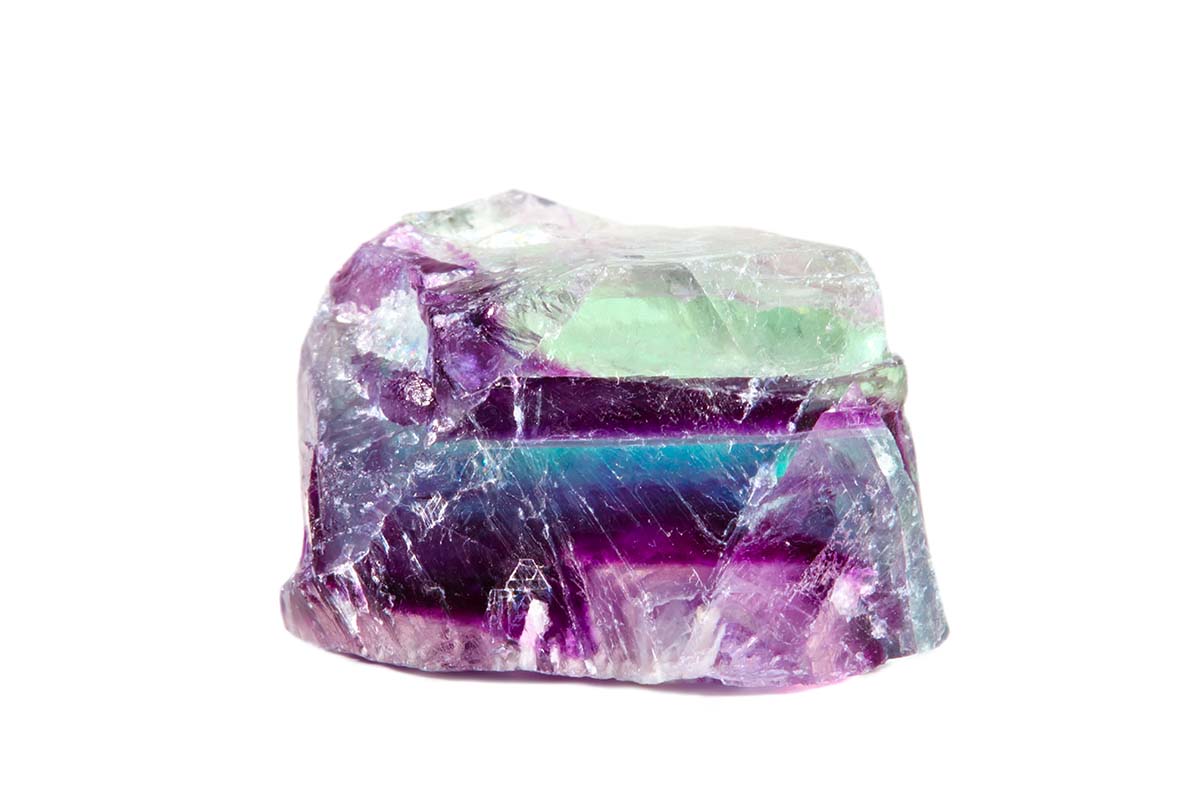
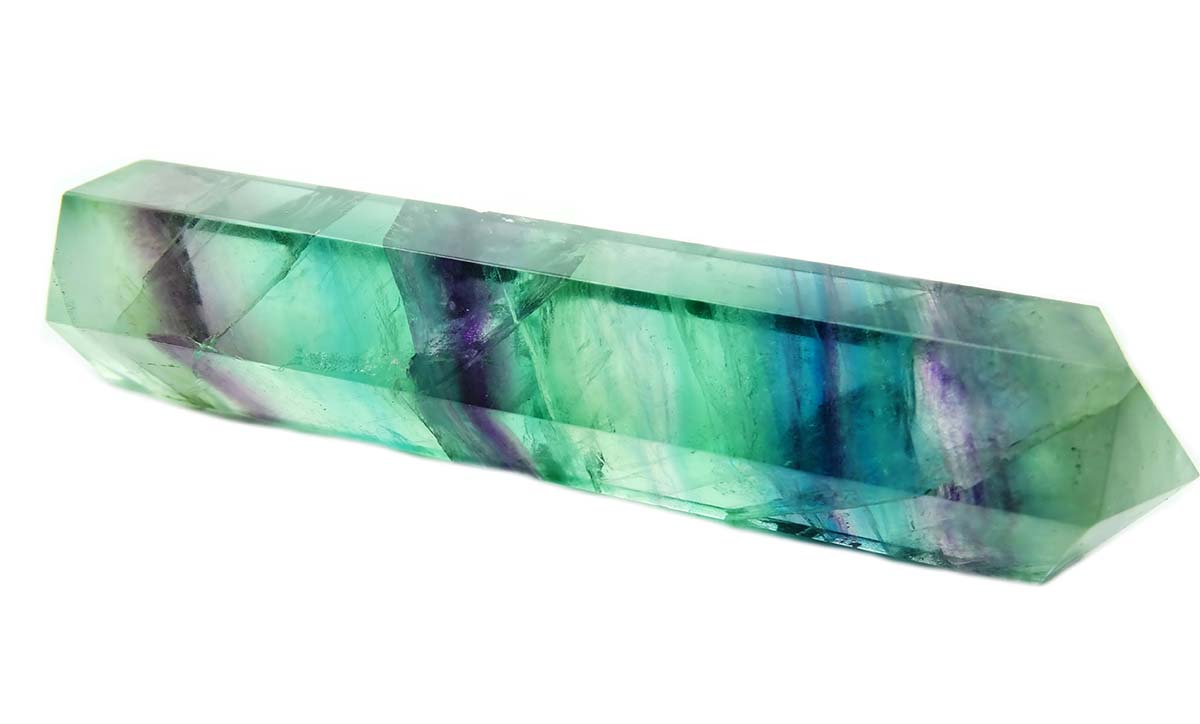
Fluorite (or fluorspar) has the exceptional peculiarity of borrowing every colour of the chromatic spectrum. Thanks to its rainbow facets, it has never ceased to charm people through the ages. Today, it is used in lithotherapy, in the optical industry and in jewellery alike. In this article, set off to discover its mineralogical properties, its history and its virtues and benefits as a healing stone.
The mineral properties of fluorite
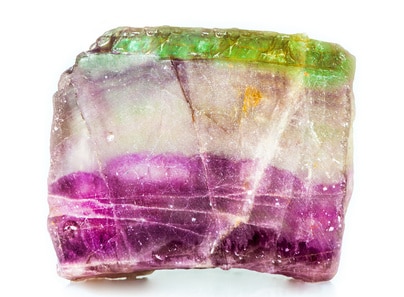
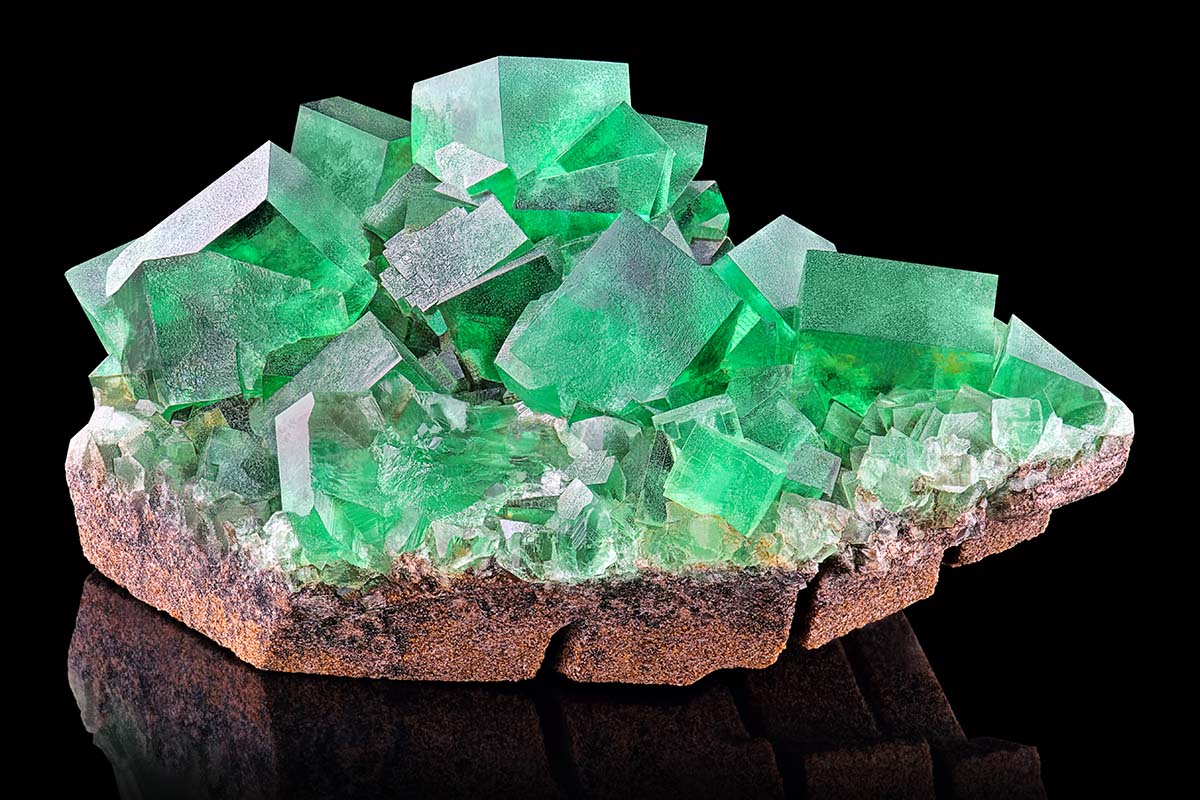
Its deposits are numerous across the globe, where it nestles in veins of granitic rock. Composed of calcium fluoride, its crystallisation is most often cubic and sometimes also parallelepipedic. Surprisingly, it is the impurities that give it its multicoloured fame, for in its pure state fluorite is a colourless and transparent stone.
| Group | Halides |
| Crystal system | Cubic |
| Composition | Calcium fluoride |
| Colours | Every colour of the chromatic spectrum |
| Density | 3.2 |
| Hardness | 4 |
| Transparency | Transparent to translucent |
| Lustre | Vitreous |
| Forms | Cubic or parallelepipedic crystals |
| Deposits | Numerous in Europe and throughout the world |
The varieties of fluorite
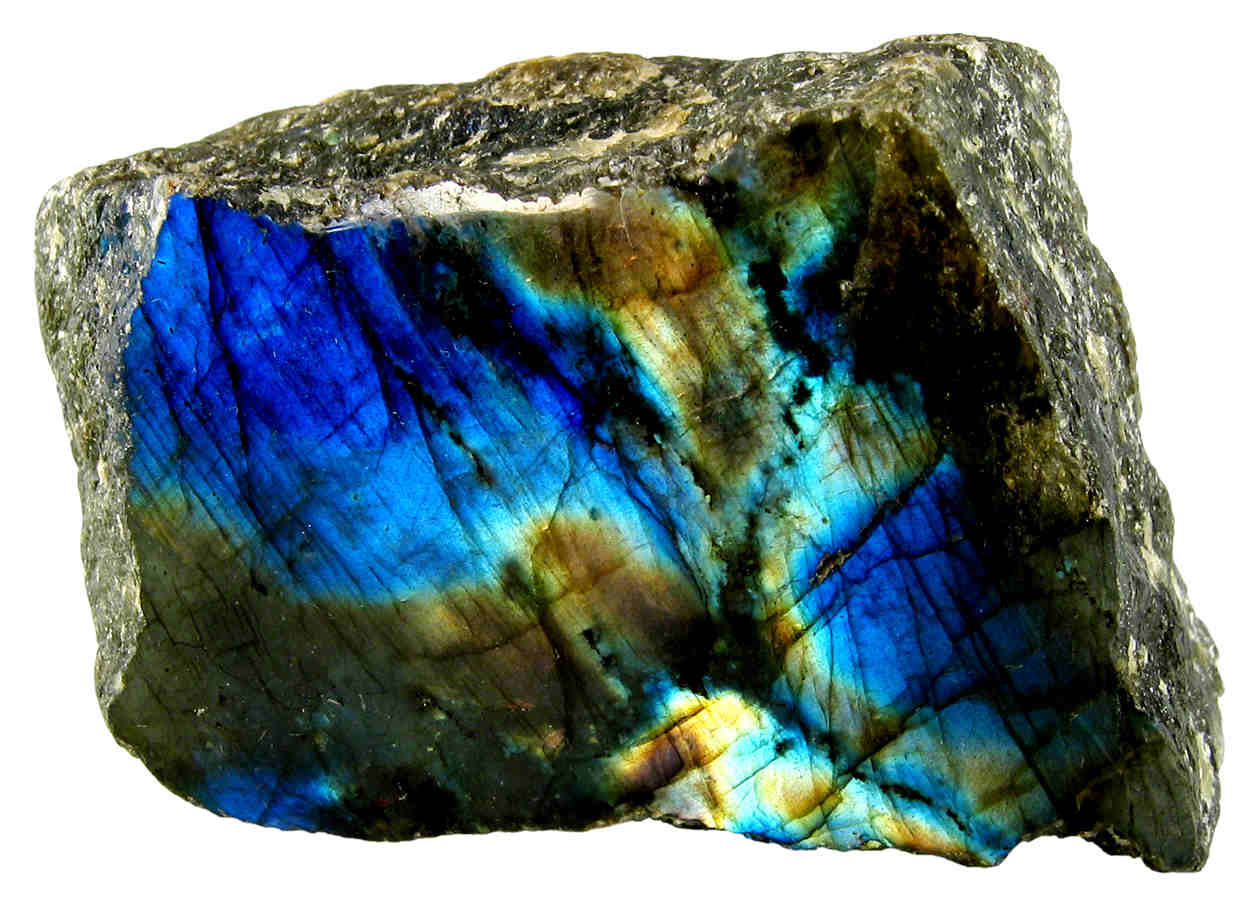
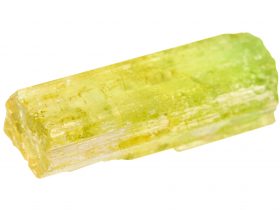
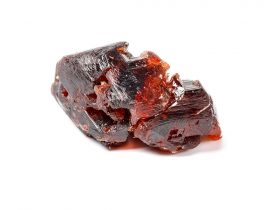
Fluorite is a very widespread stone, but it has a few specific varieties. Antozonite is a dark variant, ranging from purple to black and generally opaque. It was studied for the first time in Germany in the 19th century. It is also found in France, in several deposits. Chlorophane, native to Siberia, has the peculiarity of emitting light under the effect of heat. This phenomenon, producing a magical impression, is called thermoluminescence. Yttrofluorite, another sub-category, is particularly rich in yttrium, which then takes the place of calcium. Fluorite readily mixes with other minerals to form new alloys such as fluorbarite or ratofkite.
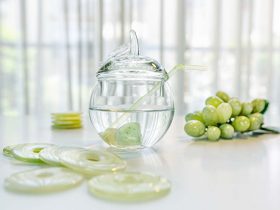
Fluorite jewellery and objects

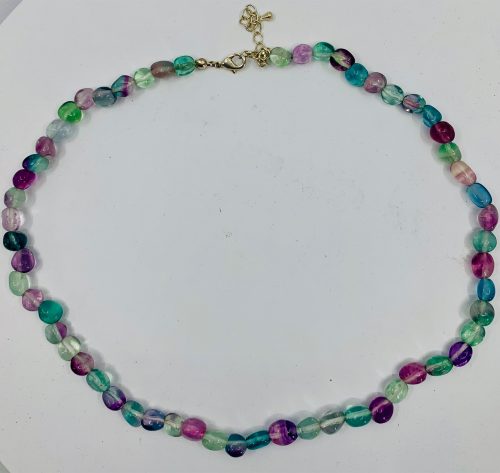
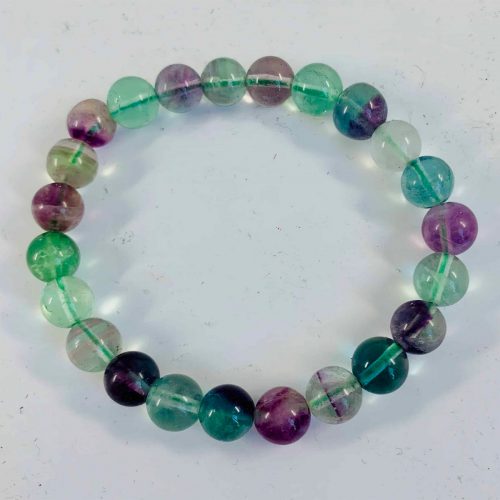

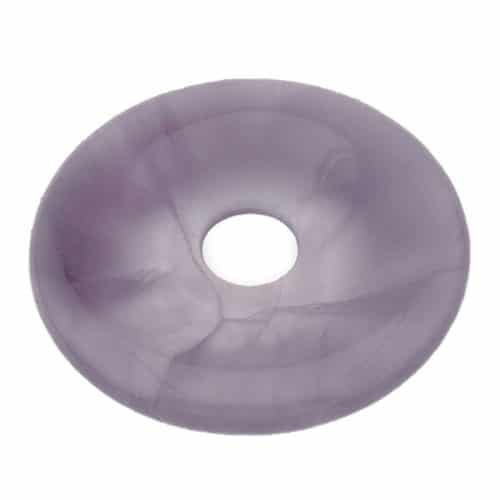
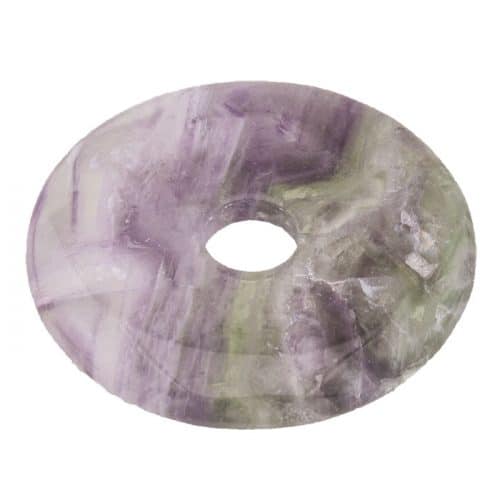
Etymology
Fluorite takes its name from the Latin term “fluere“, meaning flow or flux. The explanation comes to us from the field of metallurgy, in which this stone is commonly used as a binding agent and to make alloys more fluid. It was the Italian naturalist Carlo Antonio Galeani Napione who chose this name at the end of the 18th century.
History of fluorite
The multiplicity of colours, a source of fascination
Since antiquity, fluorite has exerted a fascination over people because of its great variety of colours. Its luminescence also contributes to its power of attraction. The earliest civilisations attributed symbolic virtues to it and used it to create decorative objects and jewellery.
In China, fluorite was a material well suited to artistic sculpture and was reportedly regarded as a shield protecting against evil spirits. Ancient Egypt left us traces of this mineral through beads, statues and other figurative representations. The Greeks made colourful vases from it, and the Romans made glassware.
Contemporary uses
The modern world sees the uses of fluorite multiply, notably in the metallurgy sector. It is used intensively to produce hydrofluoric acid and aluminium fluoride. This stone is also used in the manufacturing process of optical instruments. It indeed possesses properties considered superior to those of traditional glass.
At the same time, its beauty and its varied hues make it a mineral whose ornamental qualities need no further proof. In jewellery or in decoration, fluorite continues to meet with resounding success through the ages. Finally, its many virtues have not failed to catch the eye of lithotherapy specialists.
The properties of fluorite in lithotherapy
Fluorite symbolises clarity of mind. A force of grounding and deep relaxation, it organises and optimises the workings of thought. Lithotherapy attributes multiple virtues to it, on the physical level as well as from an emotional and psychological point of view.
The astrological signs of Capricorn and Pisces are particularly connected to the vibrations of this mineral. It reinforces the stability and solidity of these personalities and improves their clairvoyance.
Fluorite’s chakra of choice is the throat chakra. It symbolises communication, the expression of oneself, of one’s needs and one’s limits. Fluorite thus has an impact on the ability to identify, formulate and convey essential messages. It also helps to encourage a clear and serene interpretation of events and to increase the capacity for discernment.
Virtues against ailments of physical origin
An ally for the bones
Fluorite exerts a positive action on the whole skeletal system. Its vibratory power resonates with the bones and comes to strengthen them. Lithotherapy credits it with the ability to make the joints more supple and to increase their resilience and longevity. As a result, it constitutes a timely complementary remedy to help in the fight against osteoporosis.
For unhindered breathing
The upper respiratory system greatly benefits from the beneficial virtues of fluorite. It indeed helps to heal infections of the throat and nose, such as hay fever. It thins the mucous membranes and clears the sinuses. Consequently, the use of this stone improves the functioning of the lungs and breathing as a whole.
Skin in perfect health
Fluorite is also a resource of choice against dermatological conditions, such as acne, psoriasis or even warts. Its healing power accelerates the closing of wounds. It balances the epidermis and improves the suppleness and regeneration of the skin.
Virtues against ailments of psychic and psychological origin
A source of concentration
In lithotherapy, the central property of fluorite revolves around concentration. Experts in the field have observed this stone’s astonishing ability to clarify the mind and thoughts. In contact with its unique vibrations, the psychic fog dissipates to make way for clairvoyance. It helps to make the right decisions. It is also an ideal stone for practising meditation.
Calm and stability
This stone has the effect of reducing the symptoms of stress by radiating a soothing sensation. It drives away negative thoughts and instils inner calm. Fluorite is also a stone of stability. By bringing order to the mental activities of its user, it fosters a positive and solid grounding of the conscious mind.
An overall harmony
Fluorite is a mineral that is a source of harmony and joy. Combining properties of soothing, centring and balance, it naturally leads the body and mind to find their ideal state of osmosis. From a holistic perspective, the energies then circulate favourably and limit any blockages and possible ailments.
A stone of learning
Thanks to all of its properties, fluorite is an excellent choice to encourage learning and openness to new knowledge. It is a force of creativity, concentration and intellectual clarity. It helps to find the mental calm needed to absorb knowledge and to make optimal use of it.
Which stones to pair with fluorite?
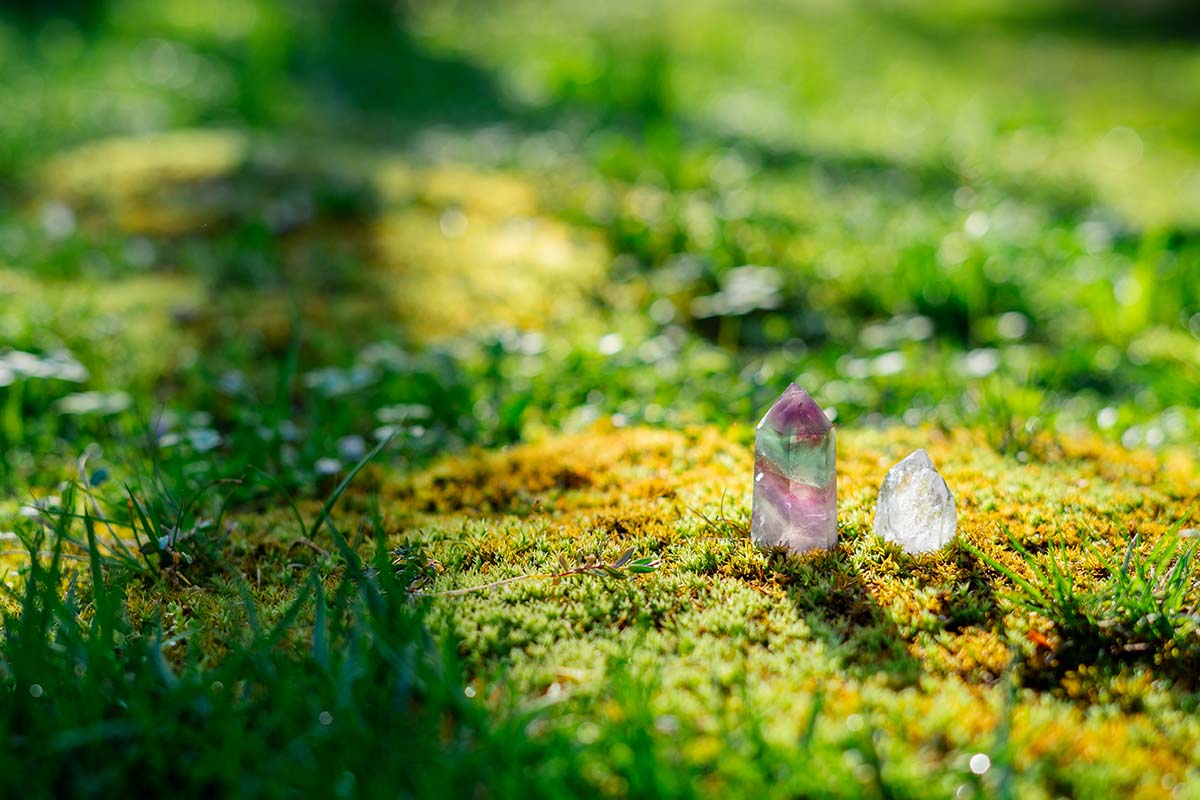
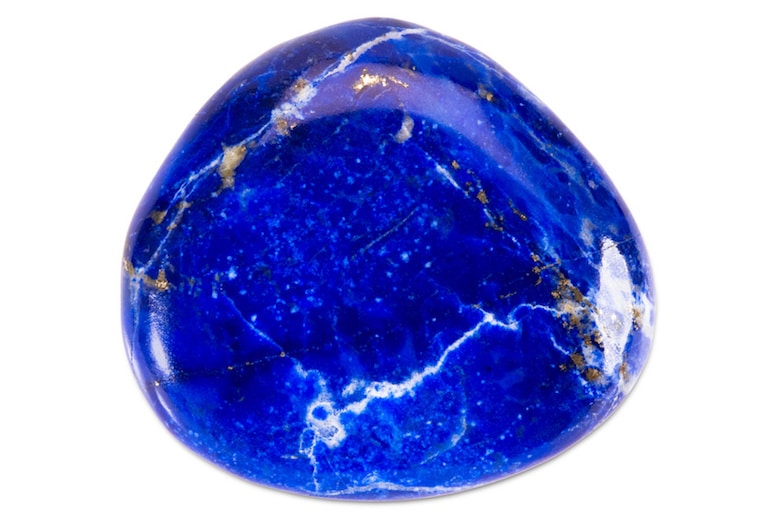
Some of the benefits of fluorite are multiplied when it is paired with other minerals. In combination with amethyst, it generates an ideal state of mind for concentration. For those seeking soothing, its effects will be magnified by pairing it with carnelian, which also helps to curb ruminating thoughts. For greater clairvoyance and to open the doors of intuition, it is in communion with lapis lazuli that fluorite’s maximised virtues will be revealed.
How to cleanse and recharge fluorite?
Your stones discharge with use and, to keep drawing all the benefits from them, you must regularly cleanse and recharge them. Fluorite is no exception. It must therefore go through a ritual of cleaning and cleansing before being recharged.
To cleanse it, simply place the stone on a bed of coarse salt for a few hours. You can also use fumigation with incense. You can then recharge it naturally through prolonged exposure to sunlight or moonlight.




Leave a Reply