 English
  Français
 Español

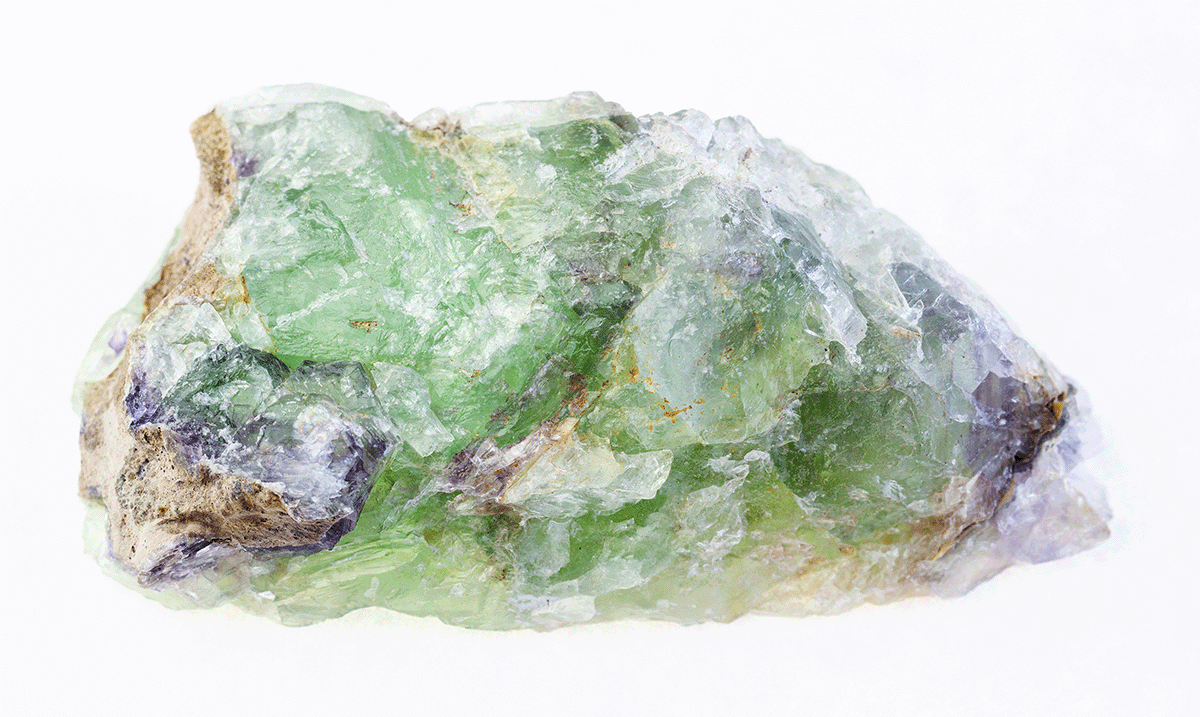
Alexandrite is a rare variety of chrysoberyl whose color has the ability to change when exposed to light. This imperial stone, heir to a past rich in symbolism, has gradually proven itself in lithotherapy. Discover now the fabulous properties and virtues of alexandrite.
Characteristics of Alexandrite
Mineralogical Properties
The uniqueness of this stone, born from volcanic lava, lies in its pleochroism. This phenomenon allows a shift in color to be observed depending on the direction of observation.
| Group | Chrysoberyl |
| Crystal System | Orthorhombic |
| Chemical Composition | Beryllium aluminum oxide, traces of iron and chromium |
| Colors | Magenta, blue-green, pink-red, colorless gray, yellow-orange |
| Density | 3.5 to 3.84 |
| Hardness | 8.5 on the Mohs scale |
| Transparency | Transparent to translucent |
| Luster | Vitreous |
| Habit | Chatoyant (reminiscent of cat’s eye), dark-toned crystals |
| Deposits | Russia, Brazil, USA, Tasmania, Sri Lanka, Burma, Madagascar, Rhodesia, India |
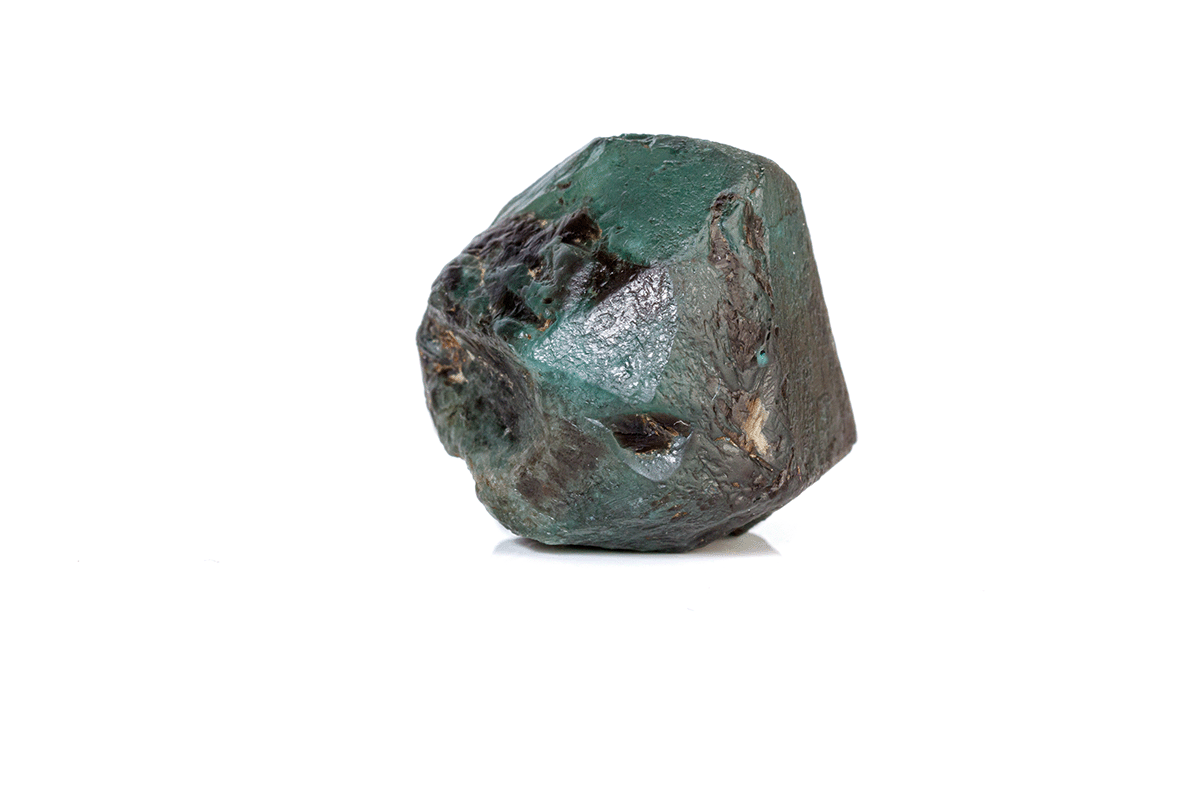
Where Does the Name “Alexandrite” Come From?
The origin of this stone’s name comes from Tsar Alexander II. This designation was dedicated to him in 1934 by Nils Gustaf Nordenskiöld, a Finnish-born mineralogist who was the first to introduce alexandrite into mineralogy, in 1842.
Like emerald and ruby, alexandrite changes color depending on its exposure to light. Under natural daylight, it appears blue-green, which is why it is not uncommon to hear alexandrite referred to as the “daytime emerald.” Under artificial or incandescent light, it displays a beautiful reddish-violet hue, earning it the name “evening ruby.”
History and Origins
In 1830, alexandrite was discovered by miners in the Ural Mountains region of Russia, in the Tokovaya emerald source. Its colors, reminiscent of Russian military uniforms, quickly made this stone a symbol of the Russian army. For the Soviets, it represented the sword and justice, prudence combined with power. At that time, alexandrite was primarily used to craft jewelry destined for Alexander’s court. As a result, the country’s mines were quickly depleted. Several decades later, new deposits of these stones were discovered in Sri Lanka, Madagascar, Brazil, Tanzania, and Mozambique.
Between the late 19th and early 20th centuries, gemologist George Kunz of Tiffany managed to acquire a large quantity of alexandrite stones in order to create rings. During the Victorian era, this gem, even more precious than diamond, was also highly sought after by the English. Furthermore, alexandrite represents the 55th wedding anniversary and the strength of a couple’s bond. According to Tibetans, Vaiduriam, a variety of this precious stone, is said to have helped the mages of the time understand the language of fauna and flora. It is also a stone of calm and lucidity.
In one of his short stories, Russian author Nikolai Leskov attributes to it the power to help predict the future and develop intuition. According to French writer and former clergyman Eliphas Levi, alexandrite has benefits on arterial and venous circulation. In Russia, it is considered a source of creativity and imagination. It is a stone that is said to ward off sadness and restore strength and courage. These properties and virtues, still relevant today, have been refined and developed over time in lithotherapy.
Virtues and Properties of Alexandrite in Lithotherapy
Physical Properties and Benefits
Alexandrite is a beneficial stone for the heart, both in terms of ailments that can affect it and in terms of blood circulation and arteries. It thus helps limit cardiovascular diseases and promotes better blood flow to the brain.
A beneficial stone for the organs of the digestive system, it supports the functions of the pancreas, the liver, and the spleen, and promotes the elimination of bad cholesterol. It also strengthens the balance of the lymphatic system and the nervous system.
Alexandrite may enhance the effectiveness of pharmaceutical treatments administered for serious and/or chronic conditions. It is an energizing stone for both body and mind.
This type of gem can also relieve localized pain in the neck and nape area, and soothes sore throats.
Psychological Properties and Benefits
Alexandrite strengthens the development of intuition and certain extrasensory abilities such as mediumship. It is also conducive to imagination, creativity, and improves discernment.
It also helps combat feelings of gloom, promotes self-confidence and hope in life. It reduces stress, helps you better handle everyday situations, and manage your emotions more effectively. It thereby increases resilience.
Moreover, it is a stone of abundance that attracts luck and love. Alexandrite is conducive to renewal in all areas of life, to setting the past aside in order to start afresh on a positive foundation. It gives the courage to see your goals through to completion.
This stone also strengthens feelings of love, compassion, and forgiveness. It is favorable to unconditional love and the desire to help others without expectations. It strengthens the bonds between couples and facilitates the meeting of soulmates. Alexandrite can remove blockages linked to resentment by enabling forgiveness.
Alexandrite brings peace of mind. On a spiritual level, it promotes the purification of the soul and proves very useful when seeking introspection.
How to Use Alexandrite Stone?
An alexandrite stone can be used in several ways. Polished or tumbled minerals used in healing are placed on the body over the chakras, a painful area, or an organ. This depends primarily on the desired effect, the color of the mineral, and the chakra it corresponds to. This type of stone can also simply be carried on your person throughout the day.
Stone elixirs made from alexandrite also make excellent remedies for addressing certain physical or psychological ailments. Finally, larger alexandrite crystals can be placed in a room to radiate their beautiful vibrations.
Chakras, Stones, and Astrological Signs Associated with Alexandrite
Which Chakras Is Alexandrite Associated With?
Alexandrite is a healing stone that acts on several chakras. It corresponds to the heart chakra, the solar plexus chakra, the throat chakra, and the third eye chakra. These correspond respectively to the seat of emotions and self-assertion, to feelings of love and universal compassion, to communication, and lastly, to intuition, clarity of mind, and the awakening of the senses.
Which Stones Can Be Combined with Alexandrite?
Stones of similar colors to alexandrite or corresponding to the same chakras can be used alongside it. Thus, yellow or orange stones (corresponding to the solar plexus and the third eye) such as citrine, sunstone, amber, yellow calcite, or tiger’s eye can be paired with alexandrite.
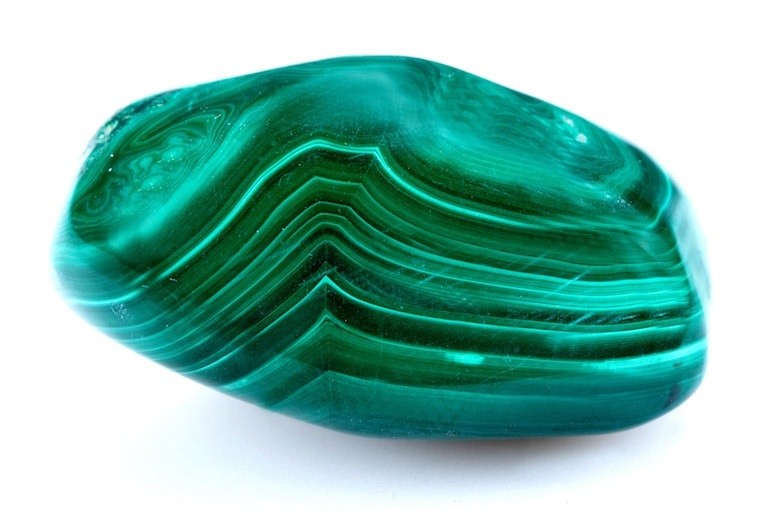
Similarly, blue or green stones (linked to the heart chakra and the throat chakra) are also suitable. Among them are apatite, aventurine, chrysoprase, emerald, peridot, malachite, as well as aquamarine, chalcedony, and lapis lazuli.
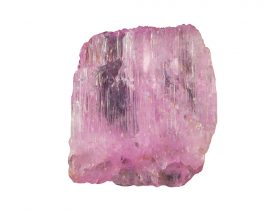
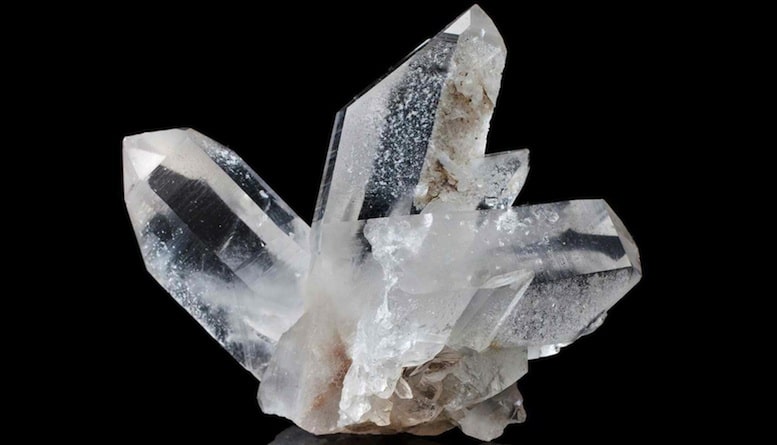
Pink stones (for the heart) and purple stones (for the third eye) such as pink fluorite, kunzite, rose quartz, rhodochrosite, or amethyst also combine very well with it. Finally, other stones such as hawk’s eye, labradorite, azurite, sodalite, and sapphire pair beautifully with alexandrite.
Which Astrological Signs Is Alexandrite Associated With?
Alexandrite is a stone corresponding to those born in the month of June. It is therefore a stone of choice for the signs of Gemini and Cancer. It is also particularly well suited to the sign of Libra, which represents justice. Of course, any other sign will be receptive to the benefits of this gem.
How to Cleanse and Recharge Alexandrite?
Cleansing and purifying alexandrite stones is done by simply rinsing them under water. Using incense or sage is equally suitable for releasing the energies the stone has accumulated.
To recharge stones, pay attention to the shade of the mineral. Indeed, the lighter a stone is, the less it can withstand direct sunlight. Thus, darker alexandrites can be recharged under sunlight for several hours. The lightest gems are preferably exposed to the full moon throughout the night.






Leave a Reply