 English
  Français
 Español

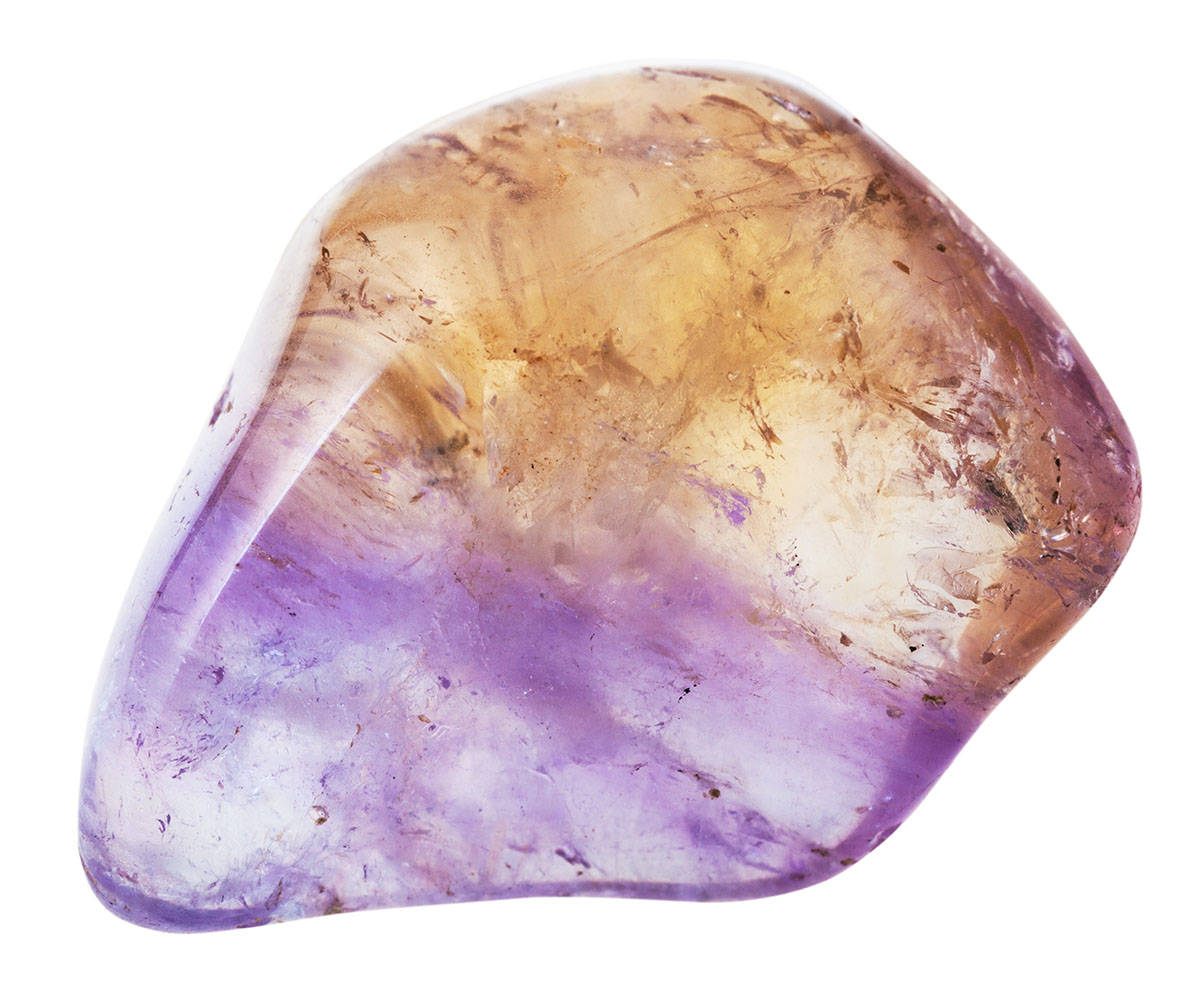
Ametrine, known as the “guardian of hidden treasures,” is a natural stone of spirituality, joy, and abundance. Prized and recognized for its bicolor yellow and violet appearance, this crystal steeped in history is highly valued in lithotherapy. The properties and benefits of ametrine stone are numerous, spanning the physical, emotional, cognitive, and spiritual planes.
Characteristics of Natural Ametrine Stone
Mineralogical Properties
The appearance of this semi-precious gemstone stands out from other stones due to the more or less pronounced presence of amethyst or citrine points or icosahedra. These may appear in alternating patterns or be distributed in inverted equilateral triangles.
| Group | Quartz |
| Crystal System | Rhombohedral |
| Chemical Composition | Silicon dioxide, formula SiO₂ |
| Colors | Yellow and violet, with varying degrees of gradient |
| Density | 2.65 |
| Hardness | 7 on the Mohs scale |
| Transparency | Transparent to translucent |
| Luster | Vitreous |
| Shape | Irregular raw crystals |
| Deposits | Rare crystals found in amethyst deposits in Bolivia, Uruguay, and Brazil |

Where Does the Name “Ametrine” Come From?
The semi-precious stone ametrine takes its name from the combination of two other remarkable stones: amethyst and citrine. Indeed, the first part of its name, “ame,” is borrowed from the famous violet stone, while the second part, “-trine,” corresponds to citrine. The reference to these two stones relates to the color of ametrine, which generally features yellow on its upper (pointed) part and violet on its lower part. The distinct distribution of these colors across the crystals is what makes them unique, but also rare. This is why ametrine is considered a precious stone.
History and Origins
Native American traditions attribute to this crystal a power of divine strength and spiritual momentum. It is also a symbol of protection over “hidden treasures.”
Legend has it that the conquistador Don Felipe d’Urriola discovered the first ametrine deposit in Bolivia between the 16th and 17th centuries. This conqueror, enamored of Princess Anahi of the Ayoreos tribe, received a mine as a wedding dowry in which he set out in search of precious metals and gold. His search proving fruitless, he decided to return to Spain. But he had not reckoned with his betrothed’s determination to follow him. The Ayoreos tribe, unable to bear her departure, decided to sacrifice the young woman. With her last breath, she placed in Don Luis’s hand a mysterious bicolor stone. He then understood that it symbolized the heart of his beloved, torn between love for her people and her love for him. His return to Spain marked the arrival of ametrine in Europe. Other conquistadors later offered the queen of Spain numerous bracelets and jewelry crafted from this crystal.
It was not until the 1980s, however, that ametrine began to be used in jewelry making. Its colors soon made it a highly prized gem for creating jewelry: bracelets, necklaces, and more. Indeed, violet evokes a certain serenity and femininity, while yellow conveys radiance, joy, and prosperity. To this day, ametrine remains a relatively rare stone. It is found most abundantly in Bolivia and Brazil, particularly in the Anahi mine, named in tribute to the late princess. It is now commonly used in lithotherapy.
Properties and Benefits of Ametrine in Lithotherapy
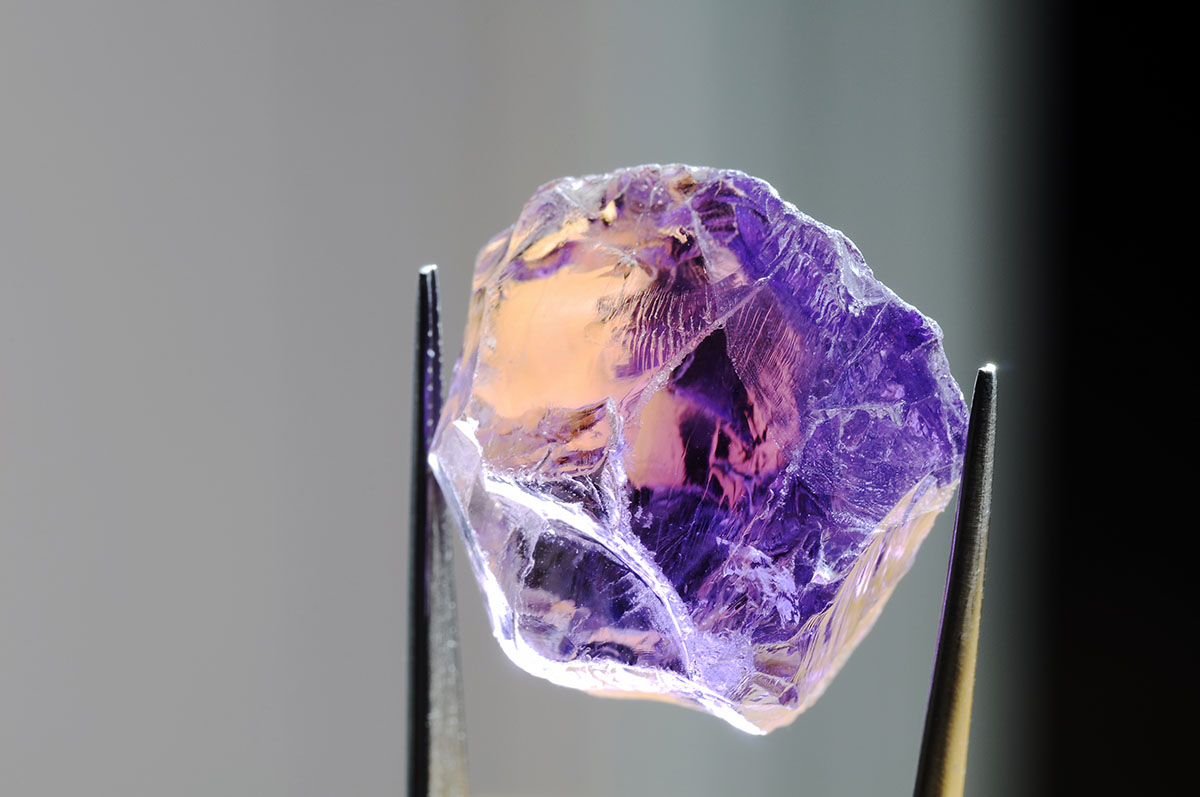
Physical Benefits and Virtues
The benefits and virtues of ametrine stone combine those of amethyst and citrine. They act on the entire body, particularly through blood circulation and the immune system. It is a balancing stone for the body. It thus promotes faster recovery in cases of illness, stress, or low mood. It is, in fact, a stone recommended for people suffering from chronic conditions.
Ametrine acts particularly on the right brain and on the cognitive functions connected to this area. It can thus lessen the manifestation of certain coordination disorders or those related to dyslexia. This stone can also help relieve headaches.
Its action on the pituitary gland also offers benefits for the endocrine system and hormone production. Ametrine is thus beneficial for hormonal balance in both men and women.
It also promotes the relief of pain localized around the abdominal area, and has a positive effect on all organs in this region (spleen, intestines, liver, kidneys). It can therefore be beneficial in cases of certain conditions such as renal colic, liver attacks, appendicitis flare-ups, gastric pain, and aerophagia.
These stones also have detoxifying properties for the body and help eliminate accumulated toxins more easily. They can also facilitate withdrawal processes in cases of addiction (tobacco, alcohol, drugs).
Psychological Properties and Benefits
The effects of ametrine on the emotional level are manifold. Its vibrations promote the soothing of emotions, particularly adrenaline surges that may follow a sharp emotional shock. It also helps cultivate a sense of perspective and better cope with everyday challenges. These minerals relax and reduce psychological tension related to stress.
Like amethyst, ametrine is a highly spiritual fine stone. Its energies act particularly on the mind and are conducive to meditation and deeper, truer introspective work. On contact with it, people who are more deeply initiated in spirituality may find themselves drawn toward a deeper spiritual commitment, as they are more receptive to this vibration of soul elevation and wisdom.
Ametrine is also conducive to developing a sense of humor in various ways. This may manifest as humorous creativity, a boundless and relaxed imagination, but also in the ability to practice meditation with greater joy and cheerfulness. On the cognitive level, it enhances mental sharpness.
It is also a stone of prosperity and abundance that attracts positive energies and helps open up more to others. It can help let go of prejudices, preconceived ideas, or other forms of judgment toward others. It allows one to step back from events and people, which fosters the development of a positive attitude conducive to great opportunities in all areas.
How to Use Ametrine Stone in Lithotherapy?
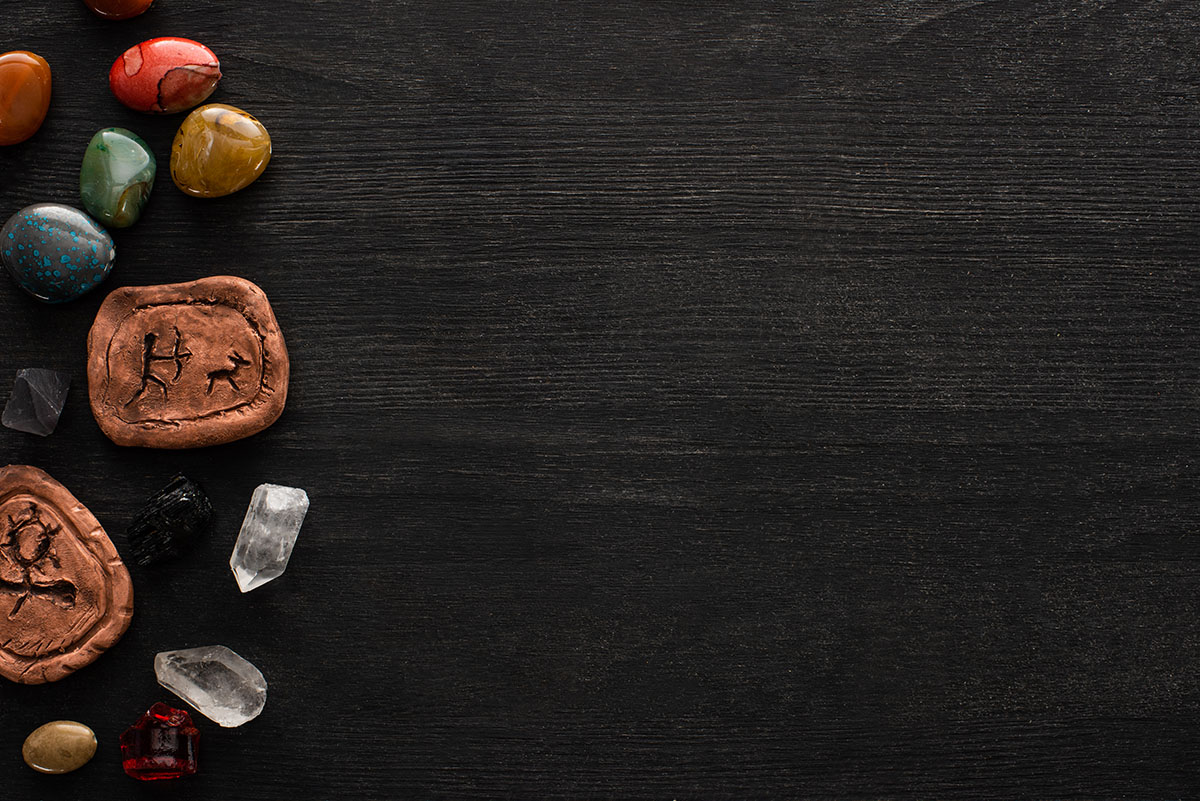
Tumbled or polished ametrine stones are small-format minerals that can be carried on your person throughout the day. They can also be placed on the body during a therapeutic session. Certain ametrine massage stones or palm stones offer a more suitable use for relieving specific physical ailments.
Semi-precious and natural ametrine jewelry is widely available on the market. It can be worn as bracelets, pendants, stone-set rings, or earrings according to your preference. The coloring of the minerals often displays a beautiful gradient of colors.
Stone elixirs also prove highly effective for channeling the virtues of ametrine. Depending on the desired effect, their composition may include other gemstones, and they can be consumed or applied to the skin.
The bicolor appearance of this type of crystal also lends itself to the creation of beautiful ornamental stones, in addition to their beneficial effects on body and mind. Thus, raw ametrine minerals are perfect for placing in a bedroom, a room dedicated to meditation, or beside a desk.
Chakras, Stones, and Astrological Signs Associated with Ametrine
Which Chakras Are Associated with Ametrine Stone?
Like all minerals in lithotherapy, the vibrations of an ametrine crystal act on all the body’s energy centers. However, these energies are particularly active at the solar plexus chakra, the third eye chakra, and the crown chakra.
Which Stones Can Be Combined with Ametrine?
Many stones can be combined with ametrine in lithotherapy. These may correspond to the same chakras and generally display the same color. Among compatible stones, priority can therefore be given to all those featuring a violet or yellow hue: amethyst, lepidolite, azurite, kunzite, lapis lazuli, yellow calcite, citrine, or tiger’s eye.
Minerals of different colors but corresponding to the same chakras as ametrine can also be paired with it. This is the case, for example, with stones linked to the crown chakra, among which we find rock crystal, diamond, topaz, or pyrite. The same applies to stones corresponding to the solar plexus chakra such as amber, or to the third eye chakra: hawk’s eye, labradorite, blue aventurine, blue apatite, sodalite, or sapphire.
Which Astrological Signs Are Associated with Ametrine?
Stones in lithotherapy are beneficial to all astrological signs. Nonetheless, ametrine appears to have a particular affinity with the signs of Sagittarius, Pisces, Gemini, and Leo. If your sign is not among them, don’t worry — you will still feel the virtues of ametrine stone!
How to Cleanse and Recharge Ametrine Stone?
The semi-precious ametrine stone benefits from a strong self-regeneration ability and requires very little human intervention to be cleansed and recharged. However, it may become necessary to perform a cleansing and purification of the stones after extensive use.
Ametrine can be cleansed of accumulated energies using distilled salted water. Alternatively, running it under a stream of spring or river water also works well. Fumigation with high-quality incense or sage is equally effective. To complete the cleansing process, you can also place the stone in a Tibetan singing bowl — the energetic cleansing operates through the bowl’s vibratory sounds.
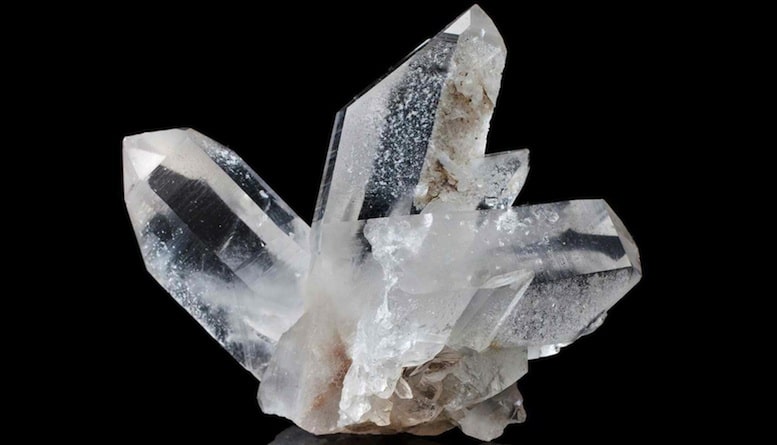
After freeing the ametrine of these external energies, you can recharge the stone on a quartz cluster (or rock crystal) that you will have also recharged beforehand. Ametrine, by its composition, is a clear, non-opaque stone that does not tolerate sunlight well. You can, however, opt for sun recharging provided the light is not too intense. Therefore, prefer exposure to morning sun or late-afternoon sun. The best method remains overnight exposure to the light of the full moon.




Leave a Reply