 English
  Français
 Español

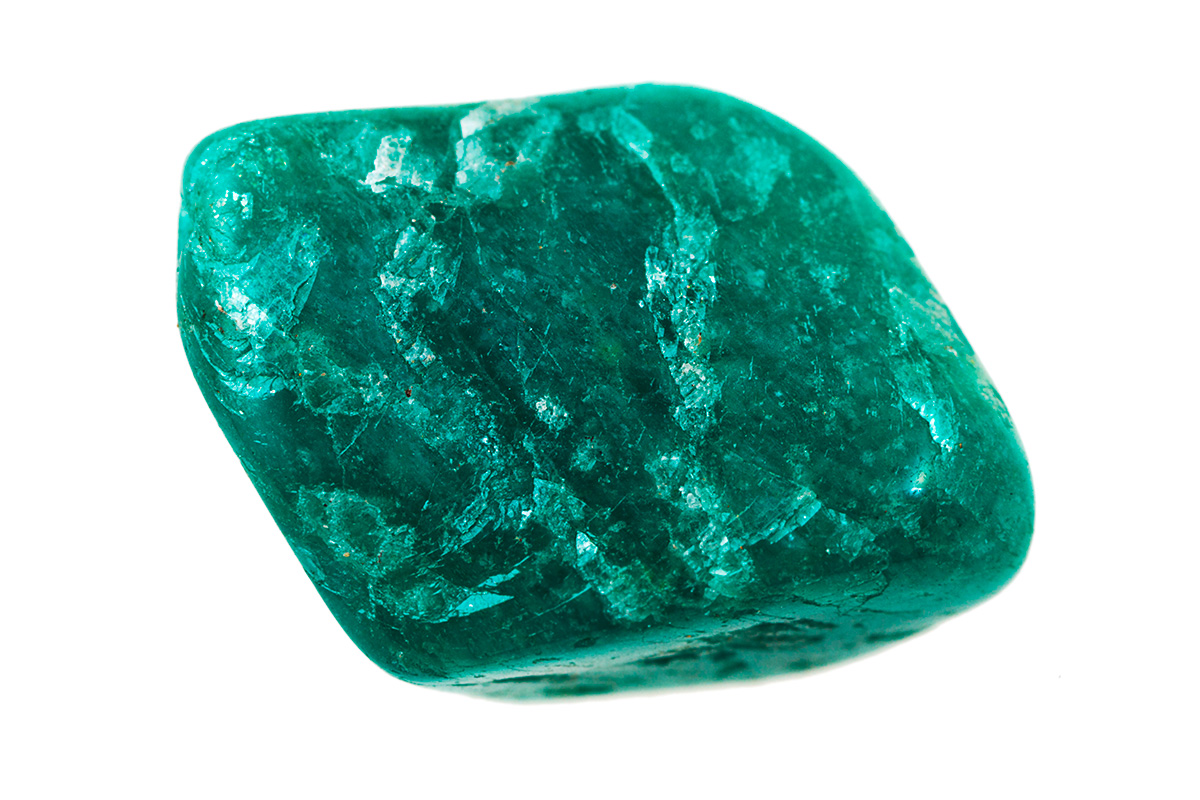
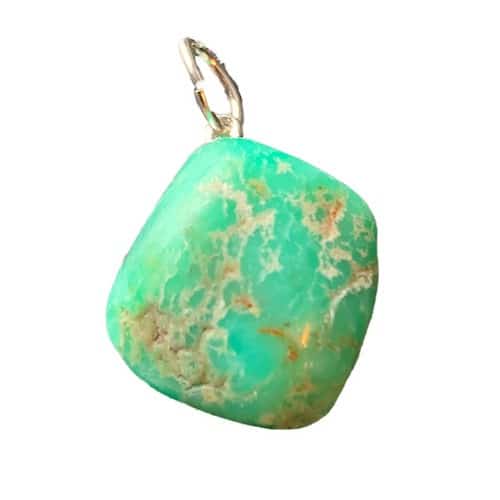
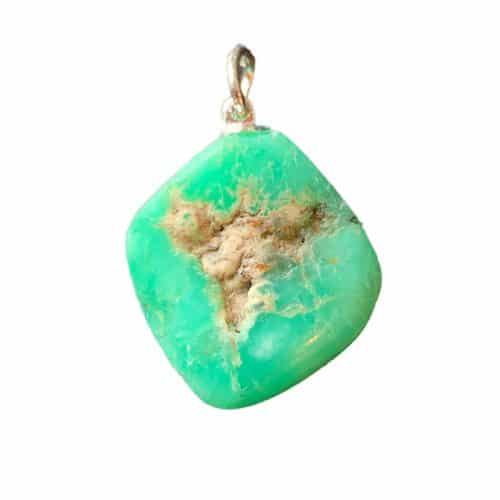
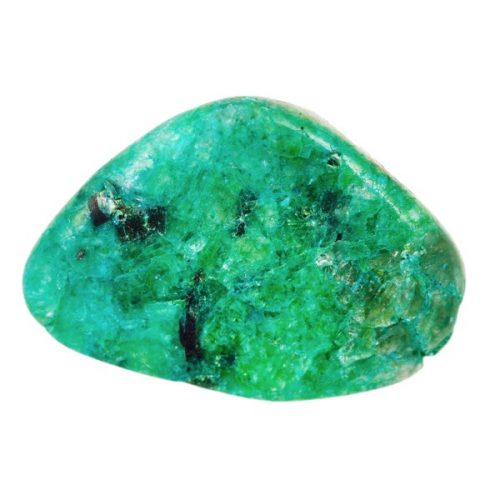
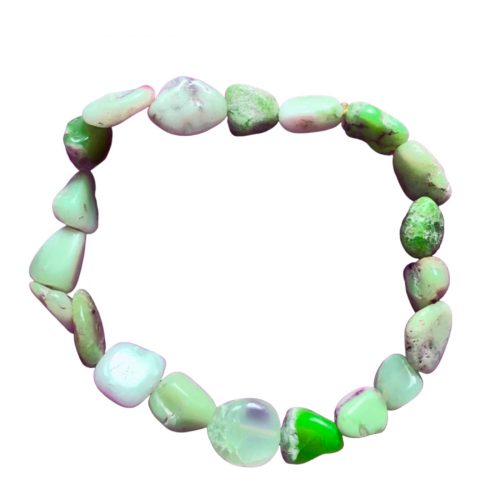
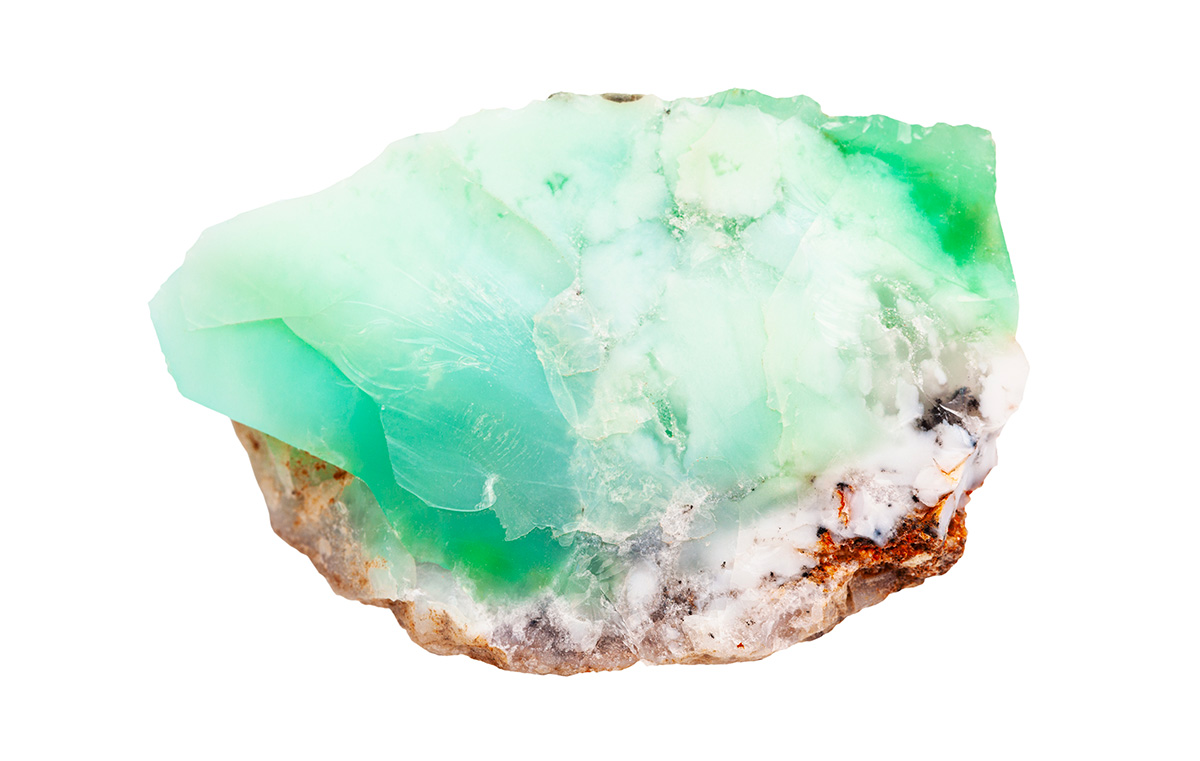
Chrysoprase is a relatively rare semi-precious stone belonging to the chalcedony family. With green hues enhanced by golden flecks, it has fascinated humankind since Antiquity. A stone of gentleness, generosity and compassion, it supports major life changes and nurtures bonds of friendship.
The mineral properties of chrysoprase
From a mineral standpoint, chrysoprase, a variety of chalcedony, is composed of silicon dioxide with mineral inclusions derived from nickel. It belongs to the quartz family. Because of its green colour, it is sometimes mistaken for jade.
| Group | Microcrystalline quartz |
| Crystal system | Rhombohedral, trigonal |
| Composition | Silicon dioxide, SiO2 |
| Colours | From apple green to dark green |
| Density | 2.7 |
| Hardness | Between 6.5 and 7 |
| Transparency | Translucent |
| Lustre | Waxy |
| Forms | Microcrystalline aggregate |
| Deposits | Germany, Australia, United States, Madagascar, South Africa |
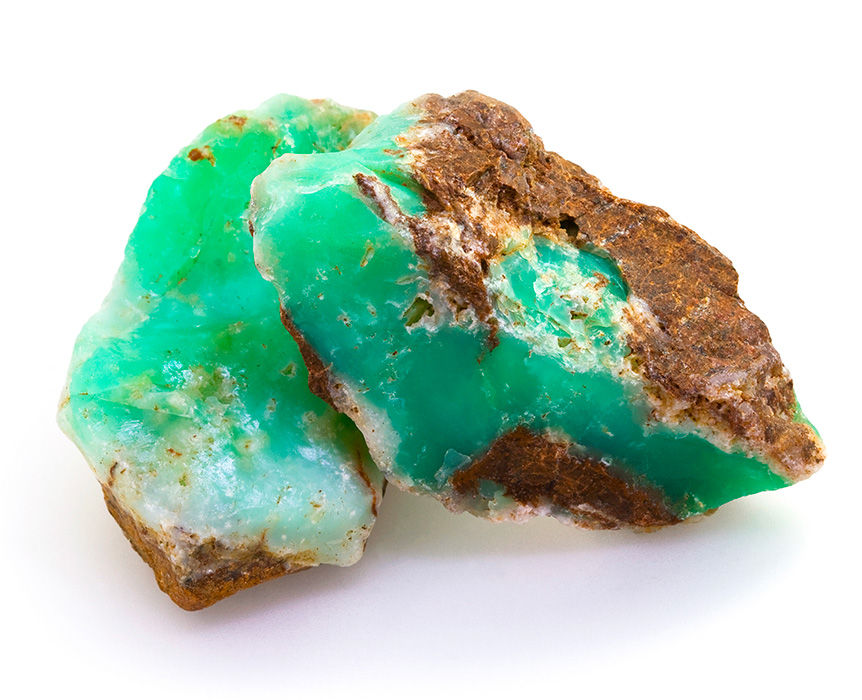
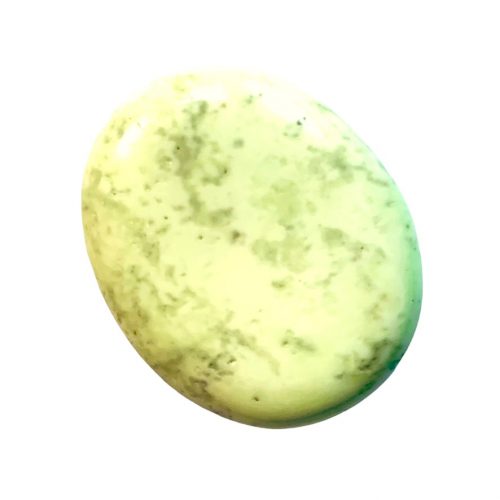
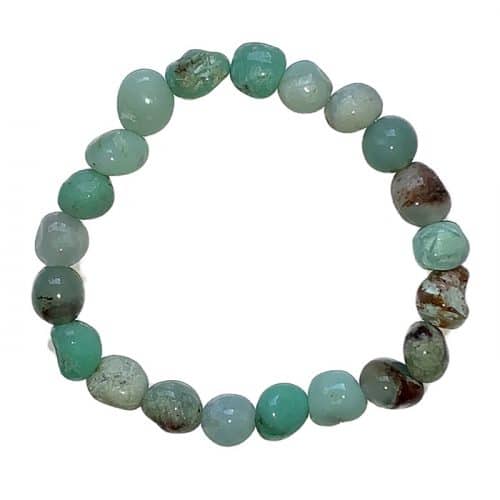
Chrysoprase jewellery and objects
Etymology
Chrysoprase draws the origins of its mysterious name from the Greek language. Chrysos describes the sheen or golden appearance of an object. Prason means “leek”. One can imagine that the choice of these terms refers to the stone’s green hues and golden flecks.
The history of chrysoprase
Early uses of chrysoprase
The Greeks and Romans used chrysoprase to craft jewellery, decorative objects and seals. It is also said to have been used in laying the foundations of ancient buildings in Jerusalem. In the Middle Ages, chrysoprase was regarded as a magical stone. It was credited with the power to grant invisibility to its bearer and to reveal the presence of poisons.
In the service of the great
Legend has it that Alexander the Great himself believed in the virtues of chrysoprase and carried this mineral on his person in the form of an amulet. He credited it with the ability to sharpen his clairvoyance and his decision-making. Another illustrious historical figure, Frederick II of Prussia, was won over by the aesthetic qualities of the mineral and decided to adorn the furniture of his castle with it.
For beauty and well-being
Today, chrysoprase is sought after for its rarity and its aesthetic properties. Australia holds the finest deposits of this mineral. It is still worked in the field of jewellery. Its hardness makes it a material well suited to carving. Lithotherapy has also embraced this semi-precious stone, drawing on its benefits for treating physical and psychological ailments.
The properties of chrysoprase in lithotherapy
Its pale green and whitish tones with golden flecks, its mineralogical characteristics and its vibrational properties make chrysoprase a truly unique mineral. In lithotherapy, it symbolises above all maturity and growth. It supports the major changes of life, encouraging self-questioning and the ability to step back. This stone is also a symbol of a generous character that fosters self-development and personal enrichment.
Chrysoprase is directly connected to the throat and heart chakras. It relates directly to love for others and to relational skills. It is therefore around the capacity for self-expression and giving of oneself that this mineral works. Chrysoprase resonates with the astrological signs of Libra and Cancer. It strengthens the sociability and empathy of Libras and soothes the heightened sensitivity of Cancers.
Virtues against ailments of physical origin
Sleep and relaxation
This stone is recommended for anxious individuals who struggle to find sleep and a state of relaxation. In lithotherapy, it is renowned for its soothing virtues on the nervous system. Thanks to its presence, sleep becomes deep and restorative.
Fertility
Men and women facing fertility difficulties can support their journey with the benefits of chrysoprase. Its vibrational powers resonate with the human reproductive system. It promotes overall balance and the return of fertility.
Heart health
Serving the central organ of the human body, this stone is a genuine source of vitality and good health. It stimulates blood circulation, regulates blood pressure and thus ensures the optimal balance of cardiac function.
Virtues against ailments of psychic and psychological origin
The stone of artists
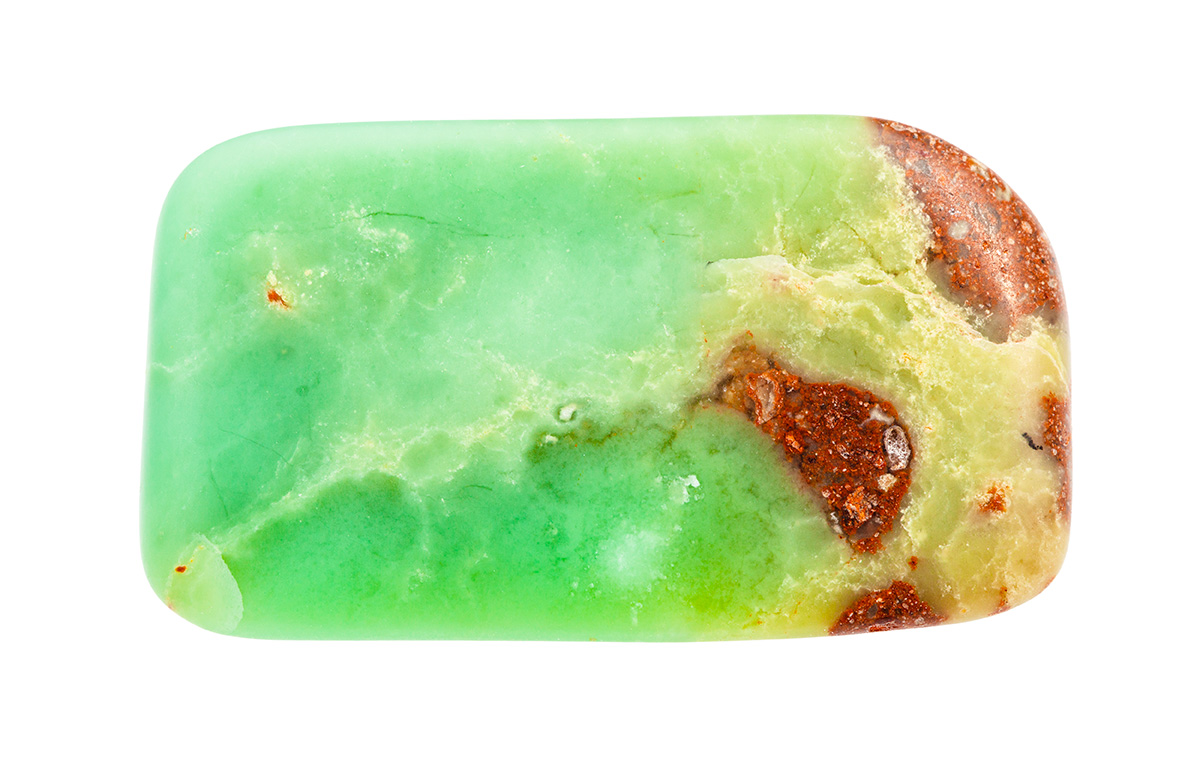
It is also known as the “stone of artists“, so much does chrysoprase open the doors of creativity. It guides each person towards their own reservoir of ideas, creation and talent. Chrysoprase revives the instinctive dimension linked to the imagination of the child that remains present deep within. It provides a way to access one’s inner fantasy.
Bonds of friendship
This mineral symbolises, above all, maturity and generosity. These qualities make the person who uses it empathetic, endowed with sensitivity and relational intelligence. They will therefore have all the ingredients needed at their disposal to build friendships of great value.
A source of gentleness
Still with a view to wisdom and maturity, chrysoprase fosters compassion, perspective and calm. It therefore represents an ideal choice in situations of anger, frustration and turmoil. It allows one to grant oneself and others the gentleness needed to approach difficult moments positively.
A stone of metamorphosis
By encouraging self-questioning and introspection, this stone is the companion of great metamorphoses. The stages of life change will be more harmonious in contact with chrysoprase. It helps a person to step back, to accept change and to grow towards greater maturity.
Which stones to combine with chrysoprase?
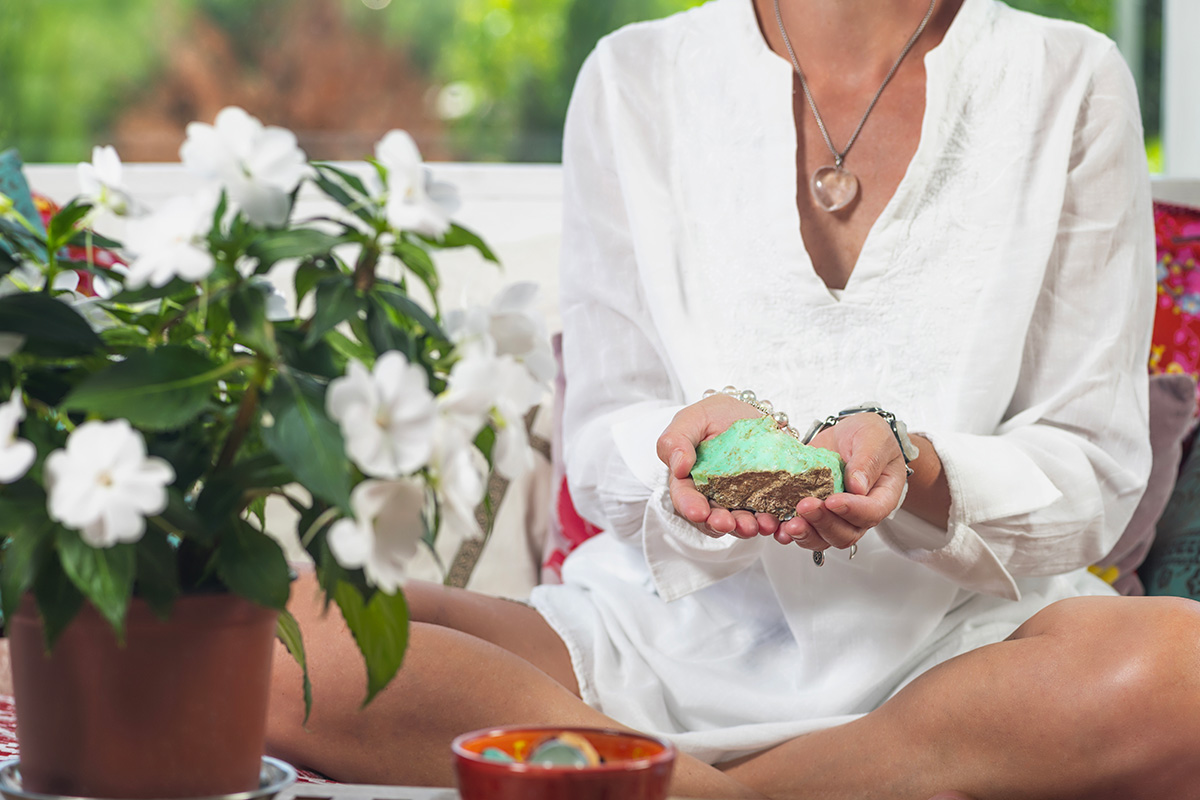
In lithotherapy, combining stones serves to amplify certain benefits or to refine the desired outcome. Combinations based on colours or on the harmony of properties are often favoured.
Serpentine, known for its soothing effect on the human mind, is an ideal ally for chrysoprase. Together, they have a powerful action against mental rumination and anxiety.
How to cleanse and recharge chrysoprase?
Chrysoprase, like all minerals used in lithotherapy, will reach its optimal power if it is cleansed and recharged regularly. So remember to repeat this ritual between each session of use.
To cleanse your stone, soak it in demineralised water for several hours. Failing that, you can opt for tap water or salt water. Another effective alternative is to cleanse your chrysoprase with salt.
To recharge the stone, the ideal is to expose it to the rays of the sun during the hottest hours of the day. The stronger the sun, the more effective the recharge. Placing your chrysoprase on a rock crystal will allow you to maximise the power of its virtues.






Leave a Reply