 English
  Français
 Español

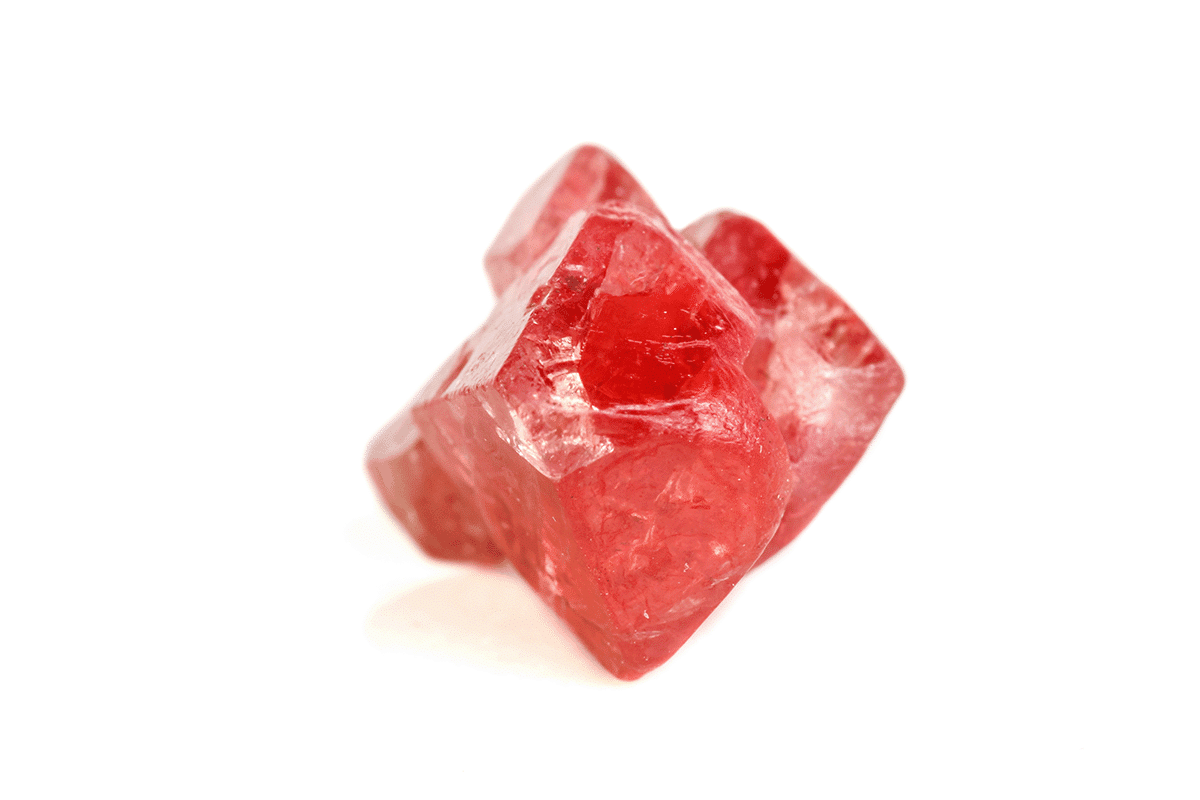
Small in size but mighty in power, the spinel stone comes in a range of colors, each conferring its own distinct properties and virtues. While these characteristics resemble those of gems of similar hues, spinel generally proves far more powerful. Its red variety, in particular, yields stones of courage and strength that are exceptionally potent in lithotherapy.
Characteristics of Spinel
Mineralogical Properties
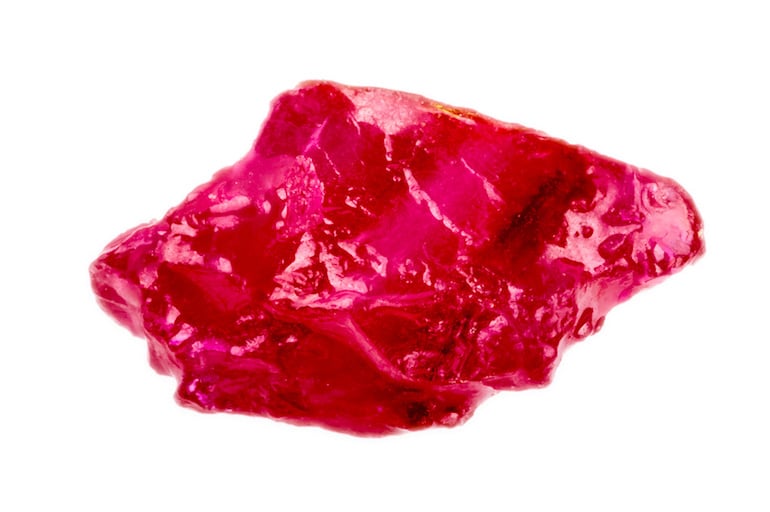
Its purple color and atypical morphology often lead spinel to be confused with ruby or tourmaline. Its shade variations depend on its chromium, iron, and vanadium content. These stones are most commonly found in igneous or limestone rocks, or near a ruby deposit.
| Group | Spinel or oxides |
| Crystal system | Cubic |
| Chemical composition | Magnesium aluminate, Mg (Al2O4), possible iron inclusions |
| Colors | Red, pink, violet, orange, yellow, blue, dark green, black, or colorless |
| Density | 3.5 |
| Hardness | 8 |
| Transparency | Can be transparent or translucent |
| Luster | Vitreous |
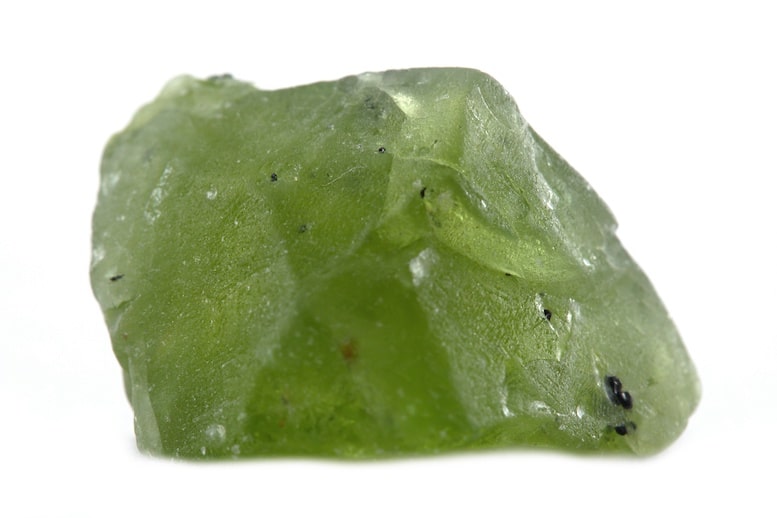
| Habit | Octahedral (red spinel), raw crystals in various shapes: grains, granular aggregates |
| Deposits | Afghanistan, Thailand, Sri Lanka, United States, more rarely in Germany (Black Forest), Italy (near Vesuvius), Sweden, and Myanmar |

Where Does the Name “Spinel” Come From?
Contrary to what one might assume, the origin of the name “spinel” remains uncertain. Etymologically, it is thought to derive from the Latin spina or spinella, meaning “little thorn,” owing to its sharp edges. Other sources attribute its origin to the Greek spitha, which can be translated as “spark.”
For a long time, this term was used to designate ruby. In certain 16th-century texts, spinel also appears under the name “Balas stone.” In Roman antiquity, stones of similar color were routinely confused. It was therefore not uncommon to hear the Romans refer to spinel as “carbunculus.” In Myanmar, it is also called “anyan nat thwe,” meaning “cut by the spirits.”
History and Origins of Spinel
In Chinese alchemy and certain Indian traditions, spinel — particularly red spinel — is associated with vital energy, the life force naturally active in human beings. In Malaysia, this same stone was widely used by healers and during initiation rites, owing to its protective virtues.
The oldest known spinel was discovered in a Buddhist tomb near Kabul, dating back to 100 BC. Blue spinels dating from 51 BC to 400 AD have also been found in England.
Spinel is a stone of courage, swiftness, and power. Red spinel is a common and highly sought-after variety, prized both for its brilliant beauty and for its revitalizing properties. Even the smallest natural spinel crystal can prove exceptionally powerful.
The earliest literary references to spinel date from the 16th century. In antiquity, this mineral was mined in northern Afghanistan (specifically from the Badakhshan mines). Marco Polo, the illustrious explorer, described it in his travel journal. At that time, red spinels belonged exclusively to the king of the land and served as gifts intended for other kings or notable figures. These stones, symbols of success, represented a genuine source of wealth for the country, although they were still confused with ruby. Most of the specimens we can find today in certain museums or royal collections almost certainly come from Afghanistan.
The “Tribute of the World,” a 352-carat stone, is housed at Buckingham Palace. The British Museum, for its part, possesses a prestigious 520-carat spinel from Myanmar, reportedly seized from the Emperor of China by British troops in the 19th century. Two other remarkable stones are among the gems adorning the Crown of England: the Timur Ruby (or Tamerlane Ruby) and the Black Prince’s Ruby, passed down by Anne of Brittany. Henry II later embellished this crown with a third jewel weighing 241 carats, leading the ensemble to be dubbed the “Three Rubies of the Crown.” Finally, the diadem that once belonged to Queen Catherine, set with a precious stone of no less than 414 carats, is now among the works on display at the Kremlin Armoury in Moscow.
In the 19th century, spinel was officially distinguished from ruby thanks to the mineralogist and physicist Jean-Baptiste Louis Romé de L’Isle, also marking its official introduction into gemology. Cut by artisans, it was then used as an ornament on garments and to craft jewelry. During the same period, its magnetic properties were employed by sailors to manufacture compasses. This also enabled them to create maps charting their routes and discoveries, marking the dawn of cartography.
Properties and Virtues of Spinel in Lithotherapy
Physical Virtues and Benefits
The energy of red spinel is exceptional (certain crystals measuring less than three millimeters can prove ten times more powerful than a natural pyrope garnet crystal one centimeter in diameter) and can bestow incredible physical strength. Like other red stones, this type of mineral is not recommended for people who are quick-tempered, hypertensive, or authoritarian.
Black spinel is an equally powerful protection stone. It acts as a true energetic shield, guarding against curses and other hexes. Its magnetic properties also allow it to be used in compass manufacturing for geographical orientation on land or at sea. They are also very effective against electromagnetic waves emitted by certain devices (Wi-Fi, mobile phones, computers, etc.).
These two varieties of spinel, in particular, also have the ability to relieve bone and joint ailments. Their protective virtues also help prevent injuries, lessen their consequences, and reduce hemorrhaging. Spinel also protects against contracting viruses and therefore against certain contagious diseases.
Spinel promotes overall relaxation and the release of “knots” present throughout the body. It rebalances energies and the body’s overall functioning, notably by improving blood circulation and the cardiovascular system. It is therefore beneficial for most organs (prostate, kidneys, heart, lungs, etc.) and physical discomforts (heavy legs, etc.). It also reduces the effects of stress (trembling, nausea, migraines, fever, etc.).
Emotional and Mental Virtues and Benefits
Red spinel is a stone that bestows strength and courage upon its wearer. Its energies foster self-confidence, the ability to face daily challenges, and the drive to move heaven and earth to achieve one’s goals. This stone is particularly suited to sensitive individuals for whom everyday life can feel like a heavy burden. It also proves especially helpful for people who struggle with organization or even suffer from administrative anxiety. Overall, it is a grounding stone that helps keep one’s feet on the ground and bring order to one’s life.
Violet spinel promotes beautiful dreams and supports better sleep. As such, it is particularly beneficial for those who suffer from insomnia. Used during meditation, it also encourages introspection and intuition.
Spinels (particularly for people born under the sign of Taurus) can dispel sadness and negative thoughts directed at oneself or others. Generally speaking, they are stones conducive to feelings of love and well-being, and can also help reveal one’s emotions. Likewise, they support the trust and loyalty given to others. Spinel also facilitates forgiveness, banishes resentment, and soothes anger. It thus enables a return to calm and inner serenity.
This mineral can also promote relaxation in the face of stress or certain conditions such as depression. It helps gain perspective on situations and allows a degree of detachment from them.
How to Use Spinel in Lithotherapy?
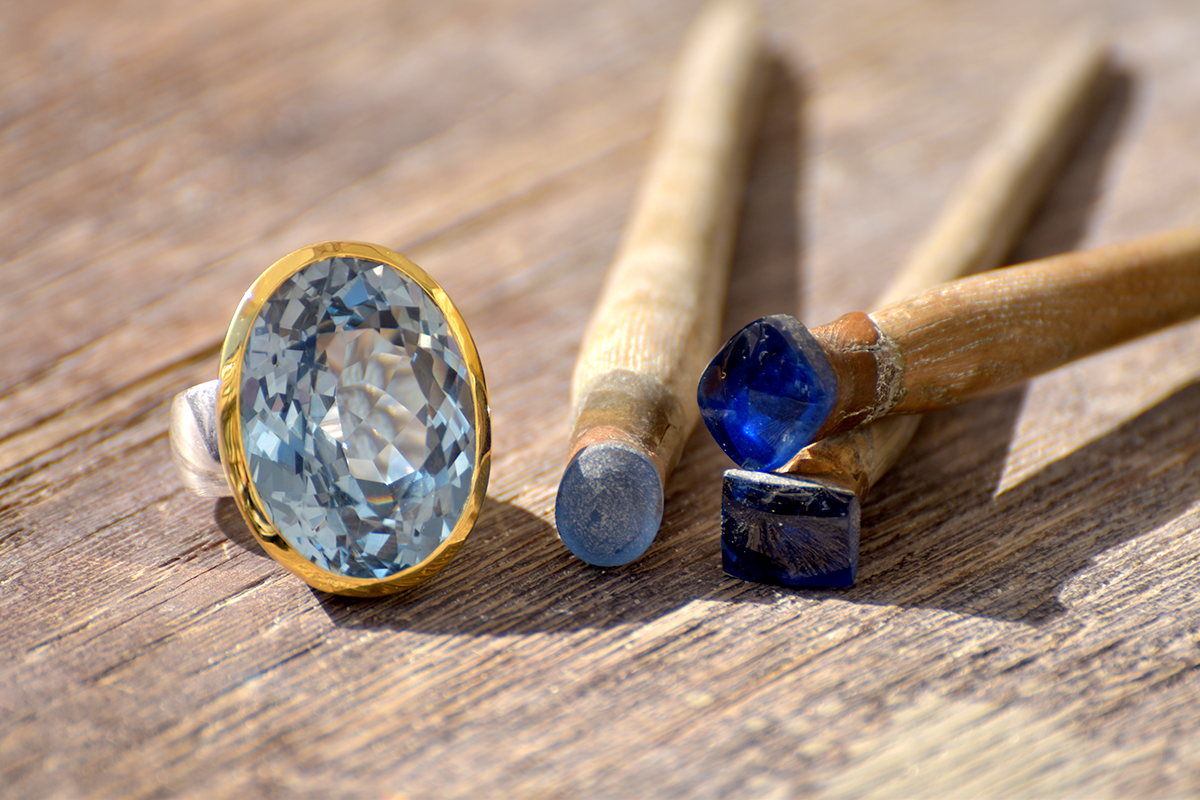
The different varieties of this stone are distinguished by their color. Violet spinel, comparable to amethyst in terms of properties, can be used in the same way, but is far more powerful. Blue-violet spinel, for its part, is similar to tanzanite, though slightly less powerful than that stone. Black spinel shares the same characteristics as black tourmaline. It is, however, better suited and more powerful for protecting against negative energies. Finally, red spinel (also known as ceylonite), often compared to ruby, displays even more remarkable energetic properties. In any case, these stone varieties are available in diverse forms and lend themselves to multiple uses.
Polished or tumbled spinel stones are often used during energy healing sessions, placed on different areas of the body (violet spinel on the forehead, blue spinel on the throat, red spinel over the heart or above the reproductive organs, etc.). Depending on one’s needs, one can also carry small stones on one’s person (in a pocket, bag, etc.) for as long as needed. Holding them consciously in one’s hand also allows one to benefit from their energetic properties. Spinel can also be highly beneficial during a meditation session.
The finest stones can be used to craft sumptuous jewelry, serving as symbols of power and wealth in addition to the energetic benefits of these gems. Large spinel crystals, meanwhile, can be used as decorative pieces in a room while diffusing their remarkable energies. Finally, stone elixirs made from spinel, combined or not with other minerals, make excellent allies against numerous physical or emotional ailments.
Chakras, Stones, and Astrological Signs Associated with Spinel
Which Chakras Is Spinel Associated With?
While spinel is known for balancing the physical and energetic bodies, the color of a given specimen makes it more specific to one chakra rather than another.
Accordingly, violet spinel acts particularly on the third eye chakra, while black and red spinels work on the root chakra. Orange stones are especially active on the sacral chakra, and yellow stones on the solar plexus chakra. Finally, blue spinel, depending on the intensity of its color, corresponds to the throat chakra (for darker stones) or the crown chakra (for lighter ones).
Which Stones Can Be Paired with Spinel?
Depending on its color and the desired energetic effect, spinel can be paired with many other stones, whether of a different or similar hue. Indeed, this gem often shares the same properties as minerals of the same color but may be more or less energetically powerful, which most often allows its benefits to be amplified. Stones of a different color complement it.
Primarily, spinel can be combined with violet stones (amethyst, kunzite, fluorite, etc.), red stones (pyrope garnet, ruby, red jasper, etc.), and black or brown stones (obsidian, onyx, tourmaline, shungite, etc.). Dark blue stones (hawk’s eye, labradorite, azurite, sodalite, sapphire, etc.), light blue stones (aquamarine, chalcedony, amazonite, turquoise, etc.), and even yellow stones (calcite, yellow amber, citrine, tiger’s eye, etc.) or orange stones (sunstone, etc.) can also be used alongside it.
Spinel can also be combined with other mineralogically similar stones such as zircon, magnetite, or corundum. Rock crystal, moreover, is an essential companion and can be paired with spinel as with all other stones.
Which Astrological Signs Correspond to Spinel?
Spinel is particularly well suited to earth signs and those with strong temperaments. Ceylonite (red spinel) is perfectly suited to Aries, Scorpio, and Taurus. It is also beneficial for anyone in need of grounding or lacking self-confidence. Black spinel, for its part, corresponds to Taurus and Leo.
How to Cleanse and Recharge Spinel?
Spinel is generally cleaned and cleansed using salted distilled water.
Being generally quite dark, it can be recharged with energy on a bed of quartz or by exposure to sunlight.






Leave a Reply